Have you ever looked around your home and thought, “Something just feels off,” but you cannot quite figure out what it is?
Maybe you have nice furniture. Maybe you have bought decor pieces you genuinely love. Maybe you have even saved dozens of Pinterest images, hoping they would help you pull everything together. Yet somehow, your space still feels unfinished, mismatched, or a little chaotic.
This is one of the most common interior design struggles. A home does not need to be expensive to feel beautiful. It does not need to follow one strict style either. But it does need some sense of connection.
That is where cohesive interior design comes in.
A cohesive home feels calm, intentional, and easy to live in. The colours work together. The furniture feels like it belongs in the same story. The decor has balance. Nothing feels random, even if the space includes different textures, finishes, or styles.
The good news? You do not need a full renovation to get there.
Here are five designer tricks that can make your home feel instantly more cohesive.
1. Repeat Colours Throughout Your Home
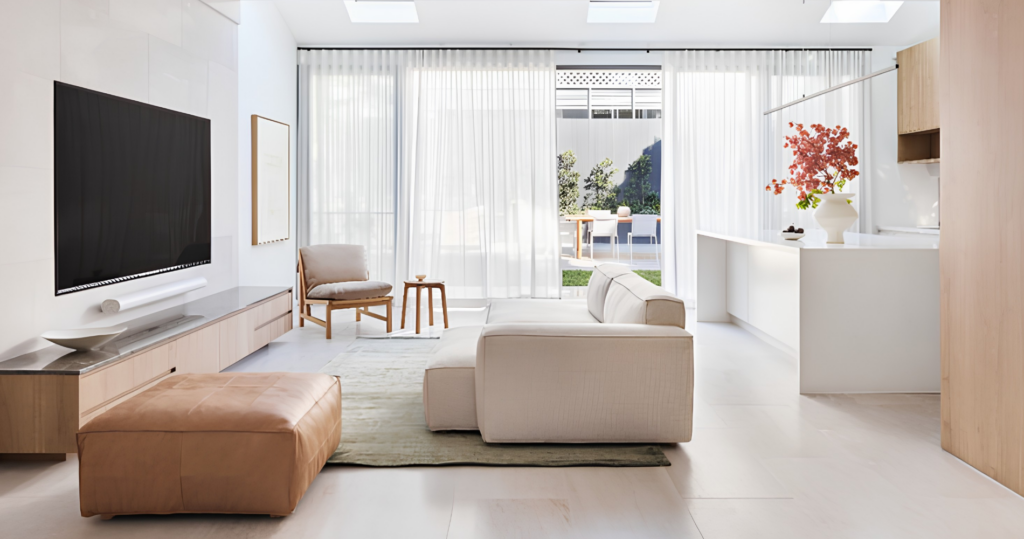
One of the easiest ways to make a home feel more cohesive is to repeat colours from room to room.
This does not mean every room must look the same. In fact, your home will feel more interesting if each space has its own personality. But there should be a few colours that quietly carry through the home.
For example, if your living room has warm beige tones, soft white walls, black accents, and touches of olive green, you can repeat those colours elsewhere. The olive green could appear in bedroom scatter cushions. The black could show up in picture frames, curtain rods, or a side table. The warm beige could continue through rugs, lampshades, throws, or linen.
This creates visual flow.
A common mistake is buying decor room by room with no overall plan. You may love each item on its own, but together they can feel disconnected. One room may be grey and cool-toned, another may be warm and earthy, while another has bright colours with no link to the rest of the home.
A simple colour palette helps you avoid that.
Try choosing three to five main colours for your home. These can include your wall colour, wood tone, accent colour, metal finish, and one deeper grounding shade.
For many South African homes, especially smaller apartments or open-plan spaces, a simple palette works beautifully. Think warm white, light wood, stone, black, and one soft accent colour such as sage, rust, navy, or muted green.
Your accent colour does not need to dominate. It only needs to appear a few times so the eye can connect the dots.
2. Choose A Consistent Wood Tone
Wood tones can make or break the flow of a room.
Many homes feel mismatched because there are too many competing wood finishes. You may have a dark wood dining table, a grey-washed TV unit, a yellow-toned coffee table, and a pale oak shelf. Individually, each piece may work. Together, they can feel visually busy.
The goal is not to match every wood finish perfectly. That can look too forced. Instead, aim for a clear direction.
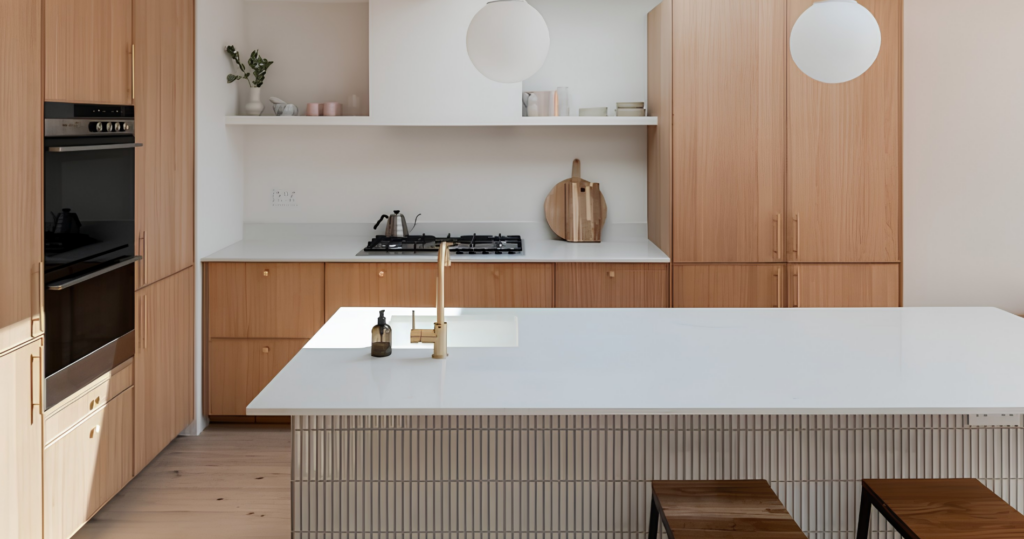
Decide whether your home leans more towards light wood, medium warm wood, dark wood, or painted finishes. Once you know that, it becomes easier to choose new pieces.
Light woods are great for smaller homes because they feel fresh, airy, and less visually heavy. They work especially well in apartments, compact living rooms, kids’ rooms, and open-plan spaces.
Medium warm woods can make a home feel inviting and timeless. They pair beautifully with neutral fabrics, woven textures, greenery, and warm lighting.
Dark woods can feel elegant and grounded, but they need balance. If your space is small or does not get much natural light, use dark wood more selectively.
If you already have mixed wood tones, do not panic. You can still create cohesion by repeating each tone at least twice. For example, if you have a darker dining table, you could bring in dark picture frames or a dark lamp base. If you have light wood shelves, repeat that tone in a side table, stool, or tray.
When mixing woods, pay attention to undertones. Warm woods usually sit better with other warm woods. Cool grey woods often clash with warmer oak or teak finishes.
3. Use Repetition In Shapes, Materials And Finishes
Cohesion is not only about colour. It is also about repetition.
Designers often repeat shapes, materials, and finishes to make a home feel more intentional. This is a small detail, but it has a big impact.
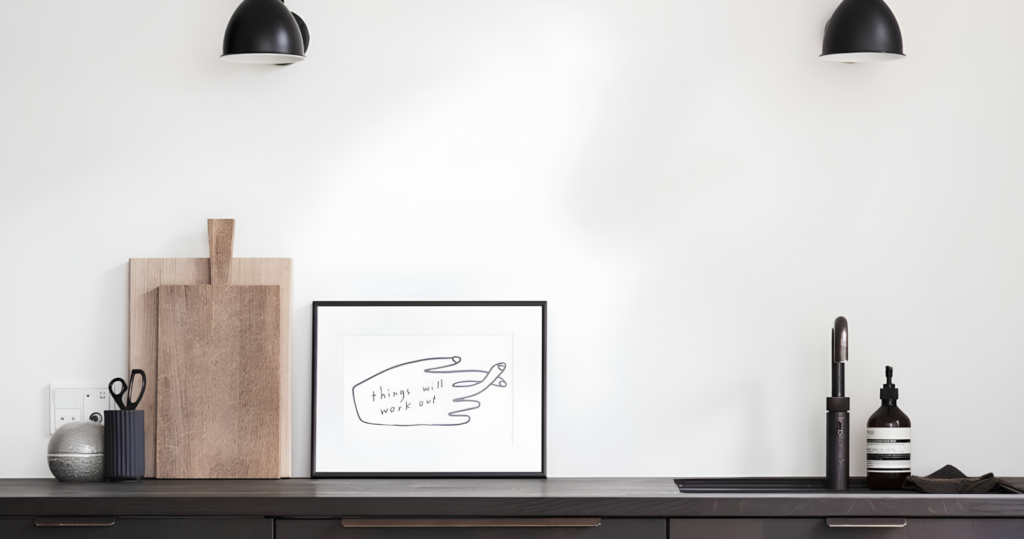
For example, if you have black metal handles in your kitchen, you could repeat black metal in your curtain rods, lamp base, coffee table legs, or picture frames. If you have a lot of soft curves in your furniture, you could repeat that shape through a round mirror, arched lamp, oval tray, or curved vase.
The same applies to materials.
If you love natural textures, repeat materials such as rattan, linen, ceramic, jute, oak, or stone. If your style is more modern, repeat smooth finishes like glass, metal, lacquer, or polished stone.
This makes a space feel layered without feeling cluttered.
A home often feels messy when every item introduces a completely new material. One chrome lamp, one gold mirror, one black table, one rustic shelf, one glossy cabinet, and one colourful rug can easily compete with each other.
Repetition calms everything down.
A good rule is to repeat a finish at least three times in a room. This makes it look deliberate rather than accidental.
For example:
Black frame, black lamp, black curtain rod.
Light wood coffee table, light wood shelves, light wood side table.
Woven basket, woven pendant, jute rug.
Repetition does not need to be obvious. It should feel subtle. The room should feel connected before people even realise why.
RELATED ARTICLE: How To Style A Small Cape Town Apartment Without Spending A Fortune
4. Balance Big Furniture With Smaller Decor
Sometimes a home feels unfinished because the large furniture pieces and smaller styling details are not speaking to each other.
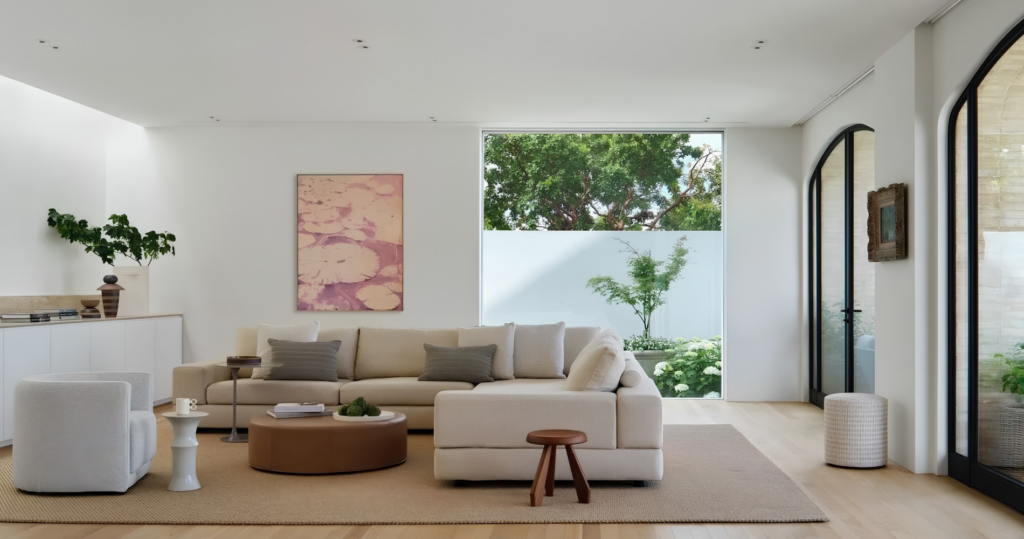
You may have a beautiful couch, but no cushions that connect it to the rest of the room. You may have a dining table, but no artwork, rug, or lighting to anchor the area. You may have a bed, but the bedside tables, lamps, and linen feel like separate thoughts.
Big furniture sets the foundation. Smaller decor brings everything together.
This is where styling becomes powerful.
Scatter cushions, rugs, curtains, artwork, lamps, throws, trays, and vases help repeat colours and textures across the room. They soften hard edges. They also make the space feel lived-in and complete.
For example, if your couch is a deep green, you can connect it to the room with artwork that includes green tones, cushions with warm neutrals, and a rug that brings in both colours. If your dining chairs are black, you can repeat black in a mirror frame or pendant light.
This is especially useful if you are decorating on a budget. You may not be able to replace your couch or dining table right now, but you can still shift the whole feeling of the room through the right styling layers.
Many homes do not need more stuff. They need better connection between the pieces they already have.
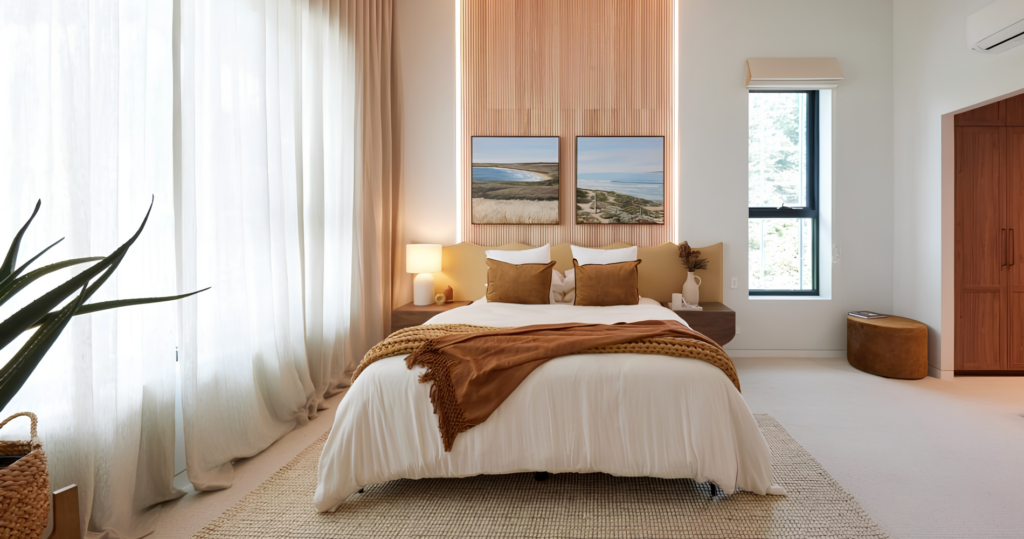
5. Create A Clear Focal Point In Each Room
A cohesive room needs somewhere for the eye to land.
Without a focal point, everything can feel scattered. Your eye jumps from the TV to the couch, then to the cluttered shelf, then to the blank wall, then to the corner chair. Nothing feels anchored.
A focal point gives the room structure.
In a living room, this could be a fireplace, TV wall, large artwork, gallery wall, beautiful coffee table, or a styled shelving unit. In a bedroom, it is usually the bed. In a dining area, it could be the pendant light, artwork, or dining table styling.
Once you know the focal point, the rest of the room becomes easier to design.
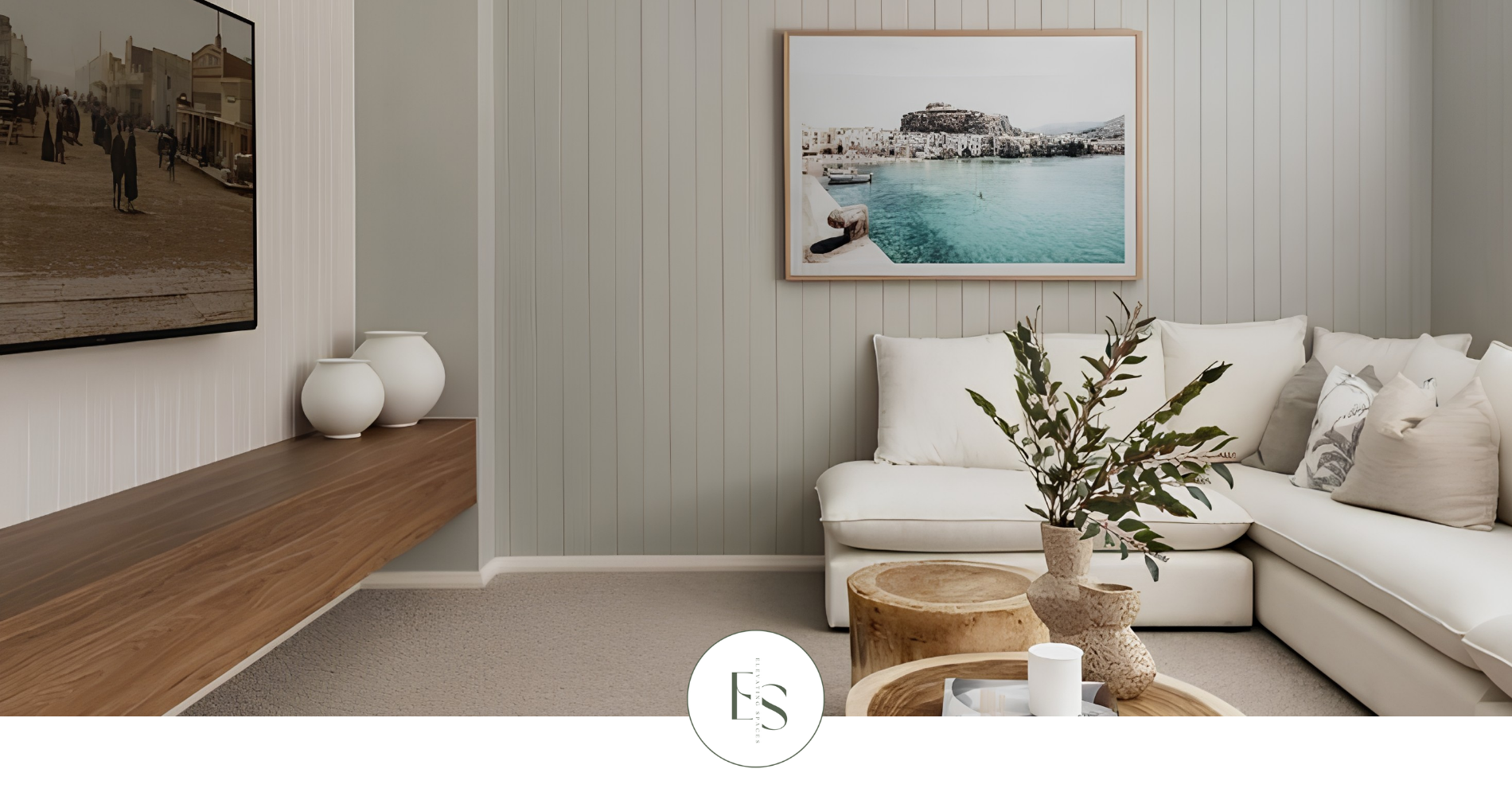
For example, if the bed is the focal point, you can frame it with bedside tables, lamps, cushions, art, or a headboard. If the TV wall is the focal point, you can make it feel more intentional with a low unit, artwork, lighting, baskets, or greenery.
A focal point also helps with layout. Your furniture should support it, not fight against it.
This is a common issue in open-plan homes. The living room, dining area, and kitchen all share one space, but nothing defines each zone. Rugs, lighting, artwork, and furniture placement can help each area feel clear while still connecting to the overall palette.
Every room needs one main focal point, not five. Too many focal points can make a space feel busy.
How To Make Your Home Feel Cohesive Without Starting Over
The biggest mistake people make is thinking they need to replace everything to create a beautiful home.
Most of the time, you do not need to start from scratch. You need a clearer plan.
Start by looking at what you already have. What colours appear most often? What wood tones are staying? Which furniture pieces do you need to work around? What style do you naturally lean towards?
Then build from there.
A cohesive home is created through small, intentional choices:
Repeated colours.
Consistent finishes.
Balanced furniture.
Layered textures.
Clear focal points.
A layout that supports how you live.
This matters even more in smaller homes or apartments, where every item is more visible. In a small space, one random piece can throw off the whole room. But when the design is cohesive, even a compact home can feel calm, spacious, and beautifully considered.
Need Help Pulling Your Space Together?
If your home feels almost there, but you cannot figure out what is missing, you are not alone. This is exactly where an online interior design plan can help.
At Elevating Spaces, I help you create a clear, practical design direction for your home. You get guidance on what to keep, what to change, where to place things, and what to buy when your budget allows.
Whether you need help with a small Cape Town apartment, a living room refresh, a bedroom update, or an open-plan layout, you do not need to figure it out alone.
Sometimes your space does not need more furniture. It just needs a better plan.
Taryn | Elevating Spaces