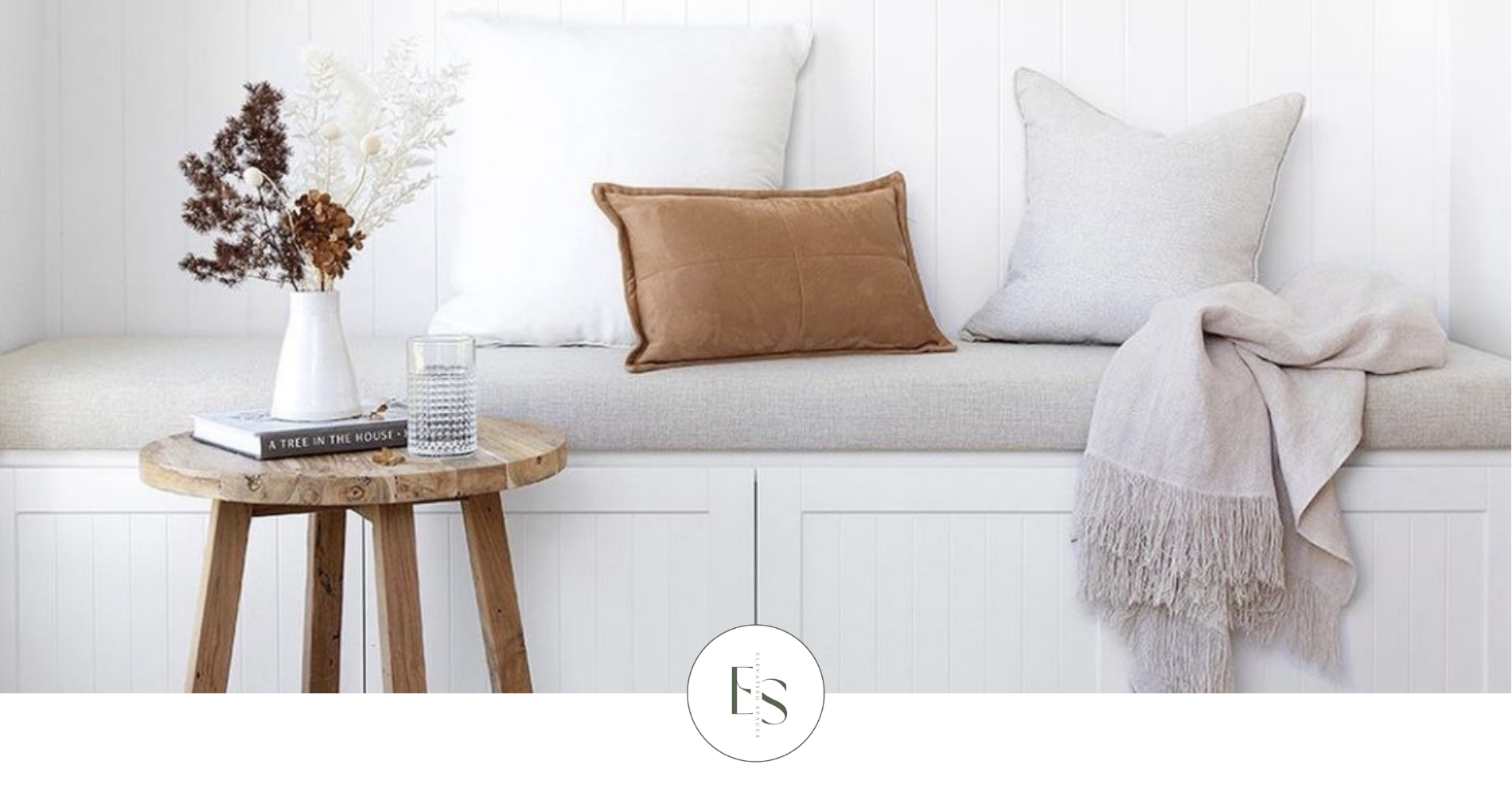
Have you ever walked into a space and felt your shoulders drop without even thinking about it? Some homes invite you to exhale. Others feel overwhelming, cluttered, or unsettled, even when they’re beautifully furnished. The difference isn’t about expensive furniture or perfect styling. It’s about how a space makes you feel.
Here’s what makes the difference.
1. Visual Clutter Creates Mental Noise
Our brains process everything we see. When surfaces are crowded and decor competes for attention, the mind struggles to rest. Calm spaces allow the eye to pause. This doesn’t mean minimal or empty. It means editing with intention.
Try this:
- Clear unnecessary items from surfaces
- Group objects instead of scattering them
- Leave breathing room between pieces
Less visual noise creates more emotional calm.
2. Lighting Shapes the Mood of a Room
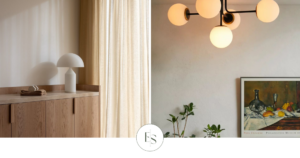
Lighting affects how a space feels more than almost any design element. Harsh overhead lights can feel clinical and draining, while warm layered lighting creates comfort and softness.
Try this:
- Add table lamps or wall sconces
- Use warm-toned bulbs
- Turn off overhead lights in the evening
Soft lighting signals relaxation to the nervous system.
RELATED ARTICLE: Your Home Doesn’t Need More Decor. It Needs A Plan.
3. Texture Brings Warmth and Comfort
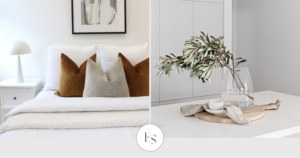
Rooms without texture often feel cold or unfinished. Texture adds depth, softness, and a sense of warmth that invites you to relax. Think linen, woven materials, wood, ceramics, and natural fibres.
Try this:
- Add a throw or textured cushions
- Layer a woven basket or tray
- Introduce natural materials like wood or stone
Texture makes a space feel lived in rather than staged.
4. Layout Influences How a Space Feels
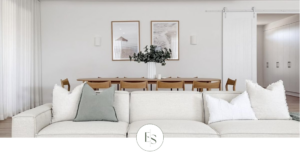
When furniture is pushed against walls or arranged without intention, a room can feel disconnected and awkward. A thoughtful layout creates flow, conversation, and comfort.
Try this:
- Pull furniture slightly away from walls
- Create seating that faces each other
- Ensure clear walkways through the space
A well-planned layout supports how you actually live.
5. Colour Tone Affects Emotional Response
Colour doesn’t need to be dramatic to be impactful. Calm homes often rely on warm neutrals and soft tones that feel restful rather than stark or cold. This doesn’t mean everything must be beige. It means choosing tones that feel soothing and cohesive.
Try this:
- Choose warm whites instead of stark whites
- Layer soft neutrals for depth
- Add muted, nature-inspired colours
Colour should support calm, not compete for attention.
6. Quiet Corners Invite You to Pause
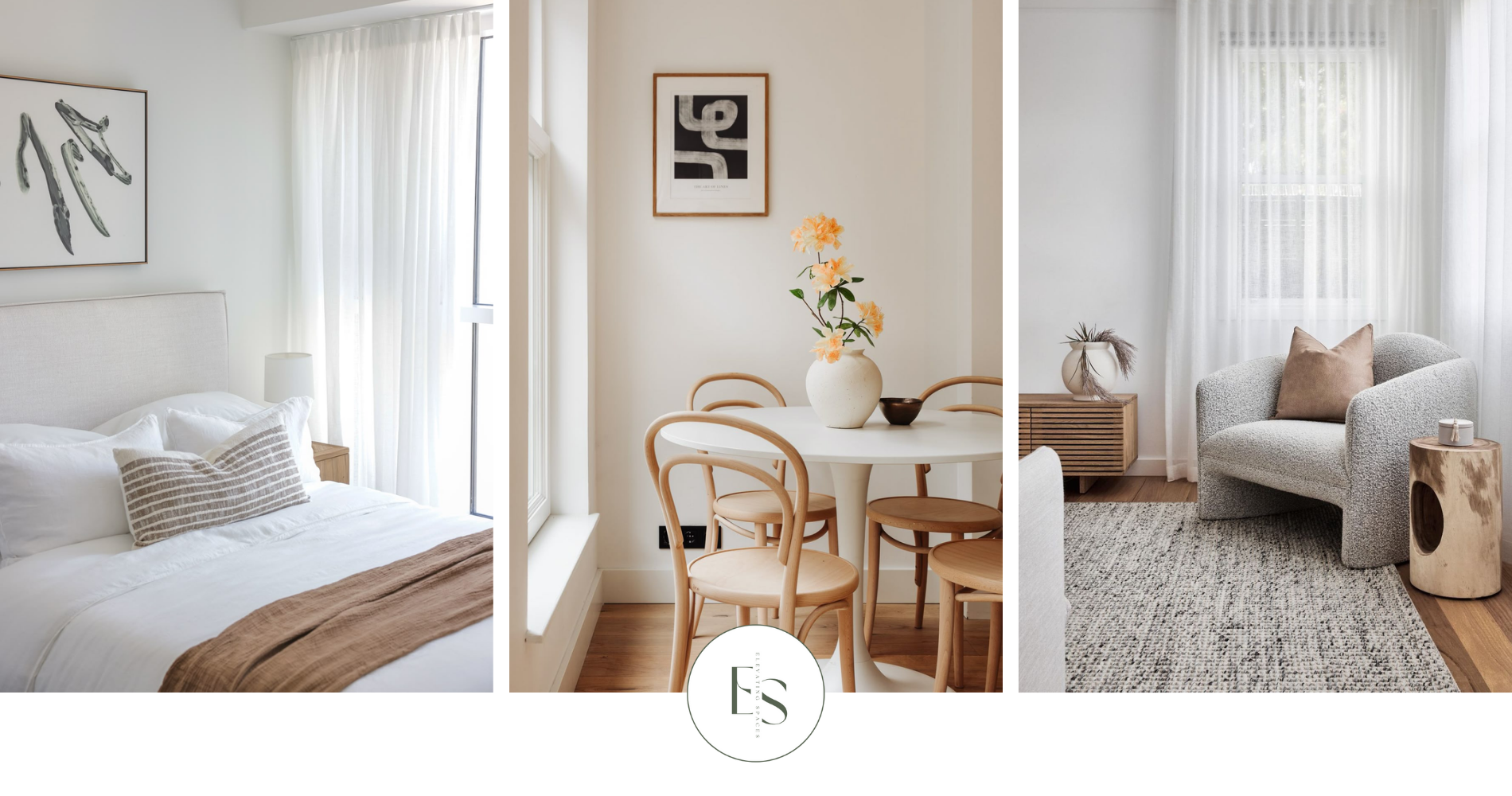
Every calm home has a space that invites you to slow down. It might be a reading chair, a styled bedside table, or a small corner with a lamp and a throw. These spaces signal rest and comfort.
Try this:
- Add a chair with a soft throw
- Create a bedside vignette with a lamp and book
- Style a small corner with intention
A quiet corner can change how a home feels.
— Taryn | Elevating Spaces